
From service-based processing to self-serve video creation in minutes.
Context
KW Video is a SaaS communication platform used by over 191,000 real estate agents nationwide to create and distribute personalized marketing videos. The existing system relied on manual post-processing, introducing multi-day delays and limiting adoption.
The Core Problem
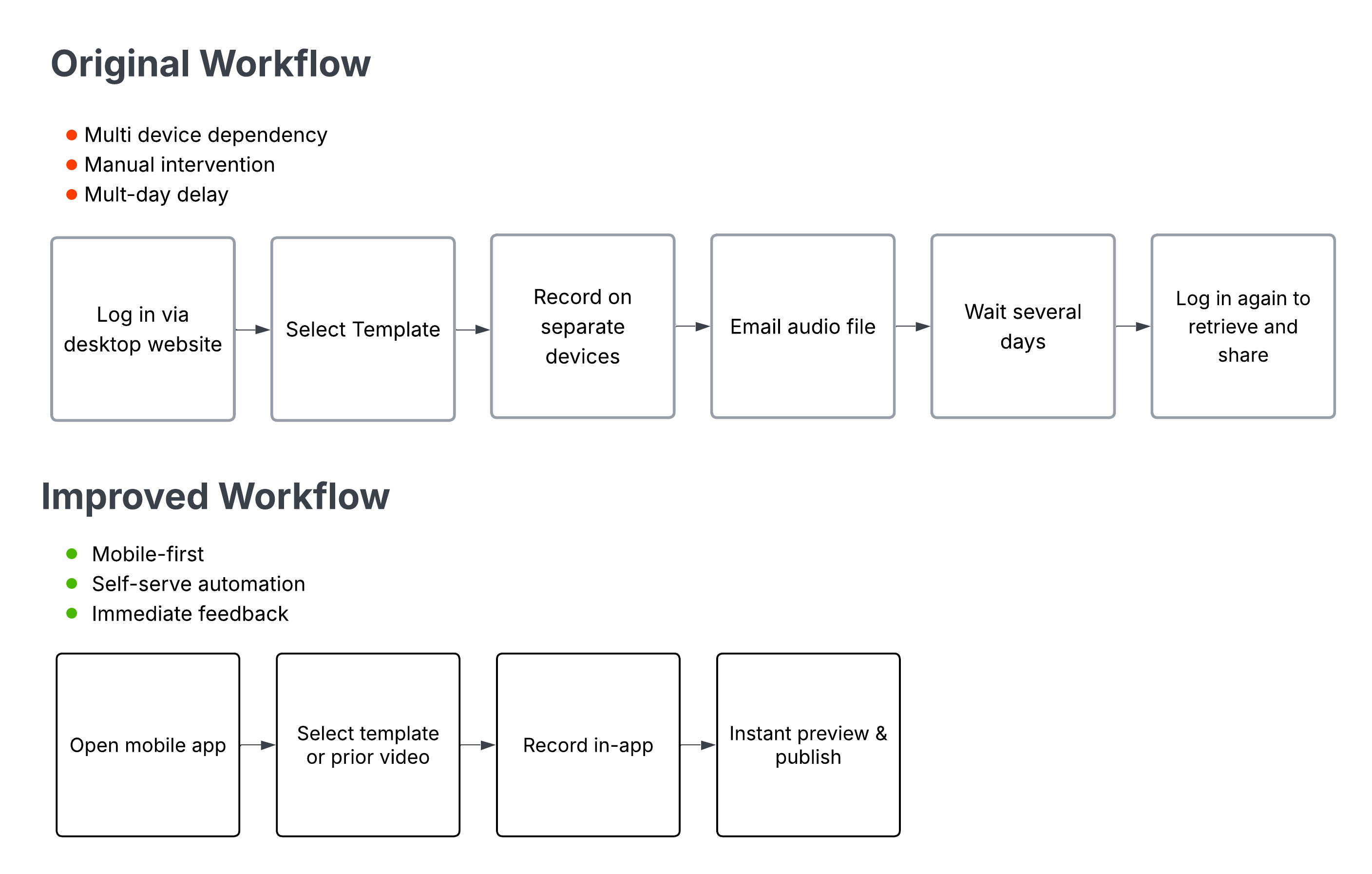
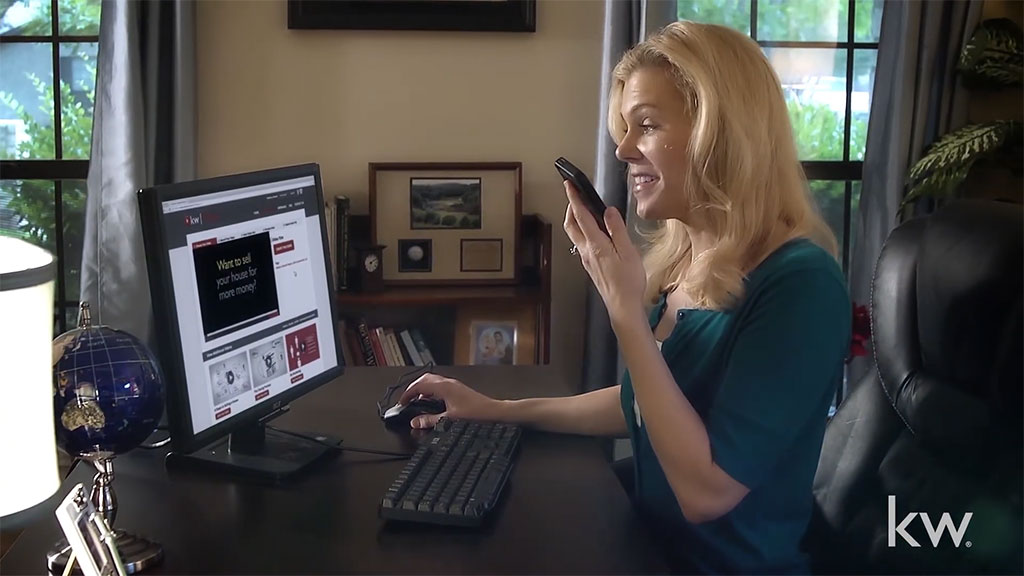
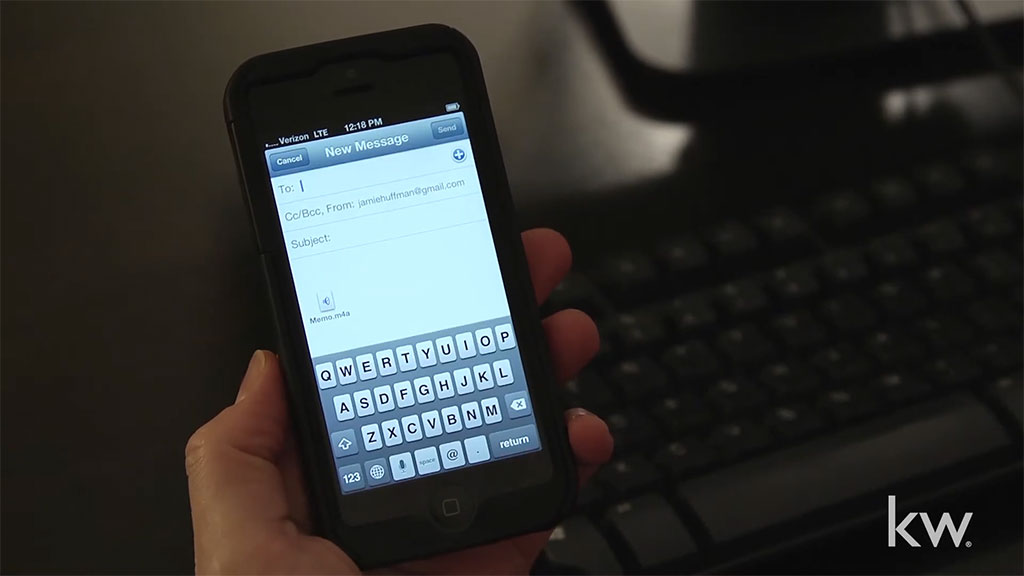
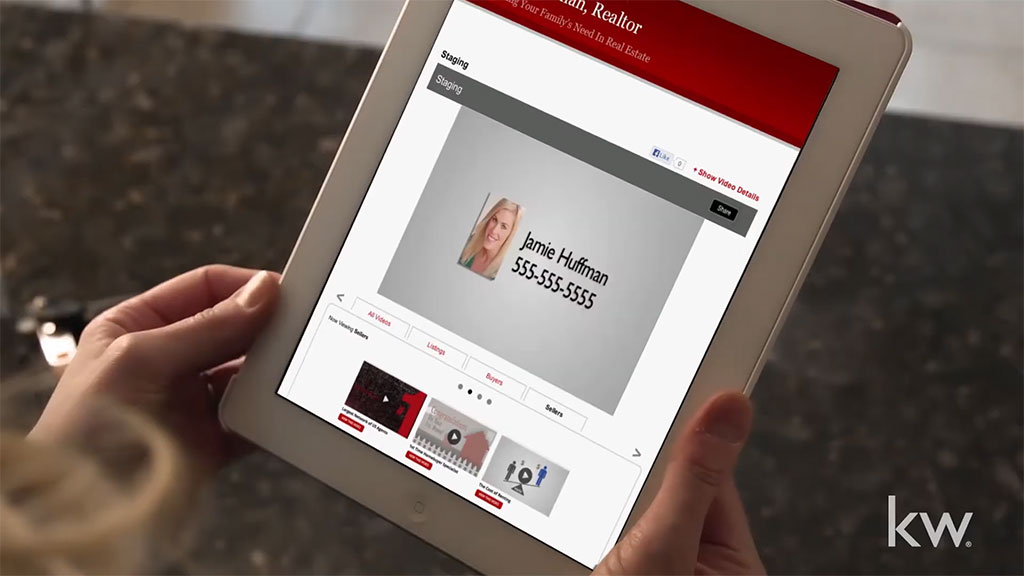
The workflow was slow and fragmented, requiring agents to move between devices and rely on manual handoffs. Producing a finished video often meant recording across platforms, transferring assets via email, and waiting days for processing before distribution.
The interface itself functioned, but the structure of the system introduced unnecessary friction and limited agents’ ability to quickly produce and share content.


Constraints + Considerations
- Limited budget and compressed timeline
- Small cross-functional team
- Stakeholder approval required at key milestones
- Cross-platform support across iOS and Android devices
- No direct access to end users during development
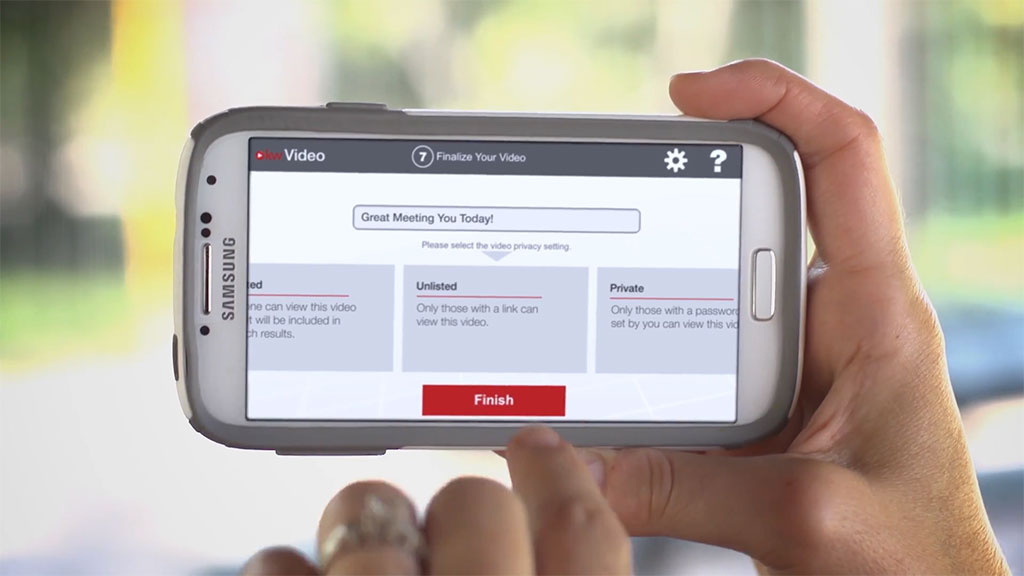
Public product videos produced by Keller Williams before and after the redesign demonstrate the shift from service-based processing to mobile-first self-serve automation.
Given these constraints, decisions had to be practical and focused on removing the biggest sources of friction first.
My Role
As the lead UX/UI designer, I partnered directly with the producer and lead engineer to redesign the experience end-to-end. I owned interaction design, workflow architecture, and UI system decisions, focusing on simplifying the creation-to-publishing workflow while preserving flexibility for agents with varied marketing needs.
Key Design Decisions
1. Translated automation into a self-serve, guided workflow
As the system shifted from manual processing to automated generation, the UX challenge was making that transition feel seamless. The workflow was restructured to eliminate cross-device dependencies and manual submission steps, enabling agents to move from capture to publish within a single, cohesive experience.
2. Expanded flexibility without increasing complexity
The original system limited how videos could be assembled. The redesign introduced more production control—allowing agents to customize decals, messaging, and media—while using modular patterns and progressive disclosure to prevent unnecessary branching.
3. Reduced structural friction rather than redesigning surface UI
The primary improvements were architectural. By collapsing multi-device coordination into a mobile-first flow and removing manual bottlenecks, the system became faster and more usable without requiring dramatic interface changes.
4. Standardized interaction patterns across platforms
Interaction logic was made consistent and predictable across iOS, Android, and web environments, ensuring flexibility in device usage without reintroducing fragmentation.
Tradeoffs & Design Tensions
Control vs Simplicity
Increasing production flexibility risked introducing new complexity. Modular customization and progressive disclosure allowed expanded control without overwhelming users.
Speed to Delivery vs Depth of Validation
The timeline required shipping meaningful improvements quickly, without direct user access. We prioritized eliminating major bottlenecks first, accepting that some refinements would be iterative post-launch.
Mobile-First Design vs Cross-Platform Consistency
The redesign centered on mobile capture and publishing, yet still needed to function consistently across web and varying device sizes. The solution was to standardize interaction logic while adapting layouts per platform constraints.
Implementation & Collaboration
I delivered structured interaction specifications and UI systems to engineering and collaborated throughout implementation to ensure workflow logic and edge cases behaved as intended.
Owning both interaction design and final UI delivery enabled rapid iteration within a small team and minimized design-to-development friction.
Outcomes
- Reduced processing time from days to minutes
- Enabled agents to create and publish content instantly while on site
- Reduced onboarding friction through clearer progression and simplified decision points
- Supported improved ongoing client communication through automated and timed touchpoints
Reflections
This project reinforced how much value there is in distilling a complex production pipeline into something that feels simple and confidence-inspiring. Although the underlying system supported branching customization paths, the interface needed to surface only what was relevant at each step.
With direct access to agents and their clients, future iterations could further validate feature prioritization and refine structured marketing templates to increase adoption and reduce underutilized functionality.